#{ item.name }
#{ truncateText(item.metadescription) }

02.01.2024
Published by: Joyce Yeung
Pollington Machine Tool is a family-owned contract manufacturer specializing in fabrication, metalworking, and final assembly. They recently became a Tier 1 supplier in automotive manufacturing for an electric vehicle OEM. As part of their new contract, they had to pass the safe launch phase—a critical milestone ensuring zero-defect production before scaling up manufacturing.
Their task? Assemble 4,000 vehicle side rails—2,000 left-side and 2,000 right-side—without a single defect. However, relying on paper-based work instructions proved to be a major obstacle.
Safe launch is a critical quality control process in automotive manufacturing that ensures a new supplier or production line can consistently produce defect-free parts before full-scale production begins. OEMs (Original Equipment Manufacturers) require suppliers to complete a designated number of flawless assemblies—often in the thousands—without a single defect. This process helps identify potential risks, improve process stability, and prevent costly recalls or disruptions once mass production starts. For Tier 1 suppliers like Pollington Machine Tool, passing safe launch is essential to maintaining supplier credibility and securing long-term contracts with major automotive brands.
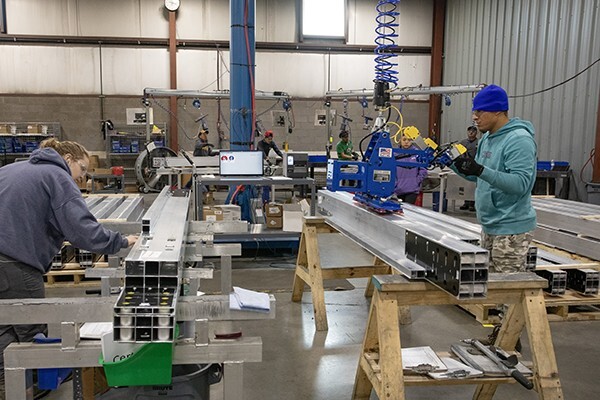

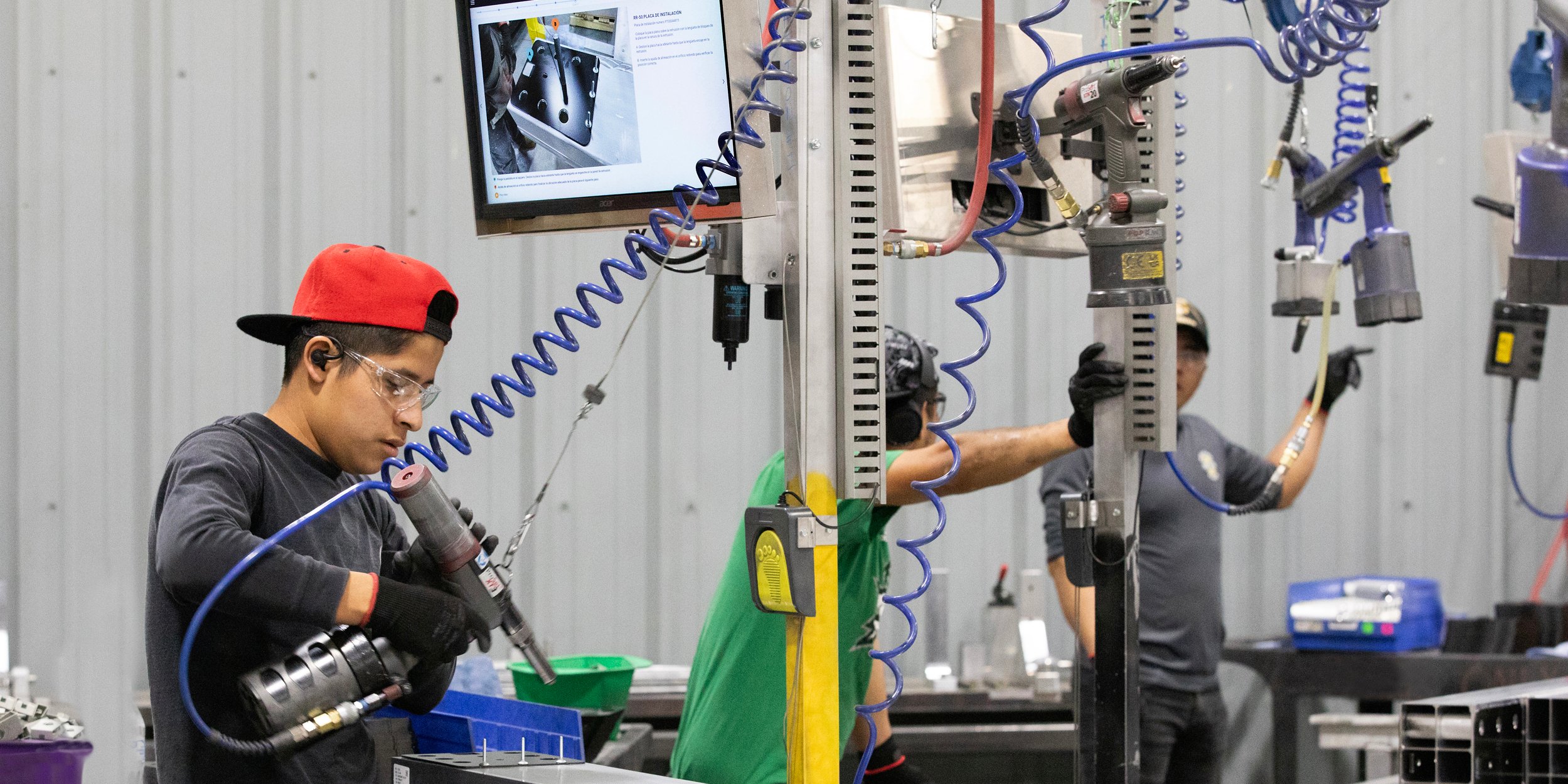
Inside Pollington Machine Tool's shop floor
Chris Stewart, Manufacturing Engineer at Pollington Machine Tool shares how their lack of traceability used to cause him a few late nights at work.
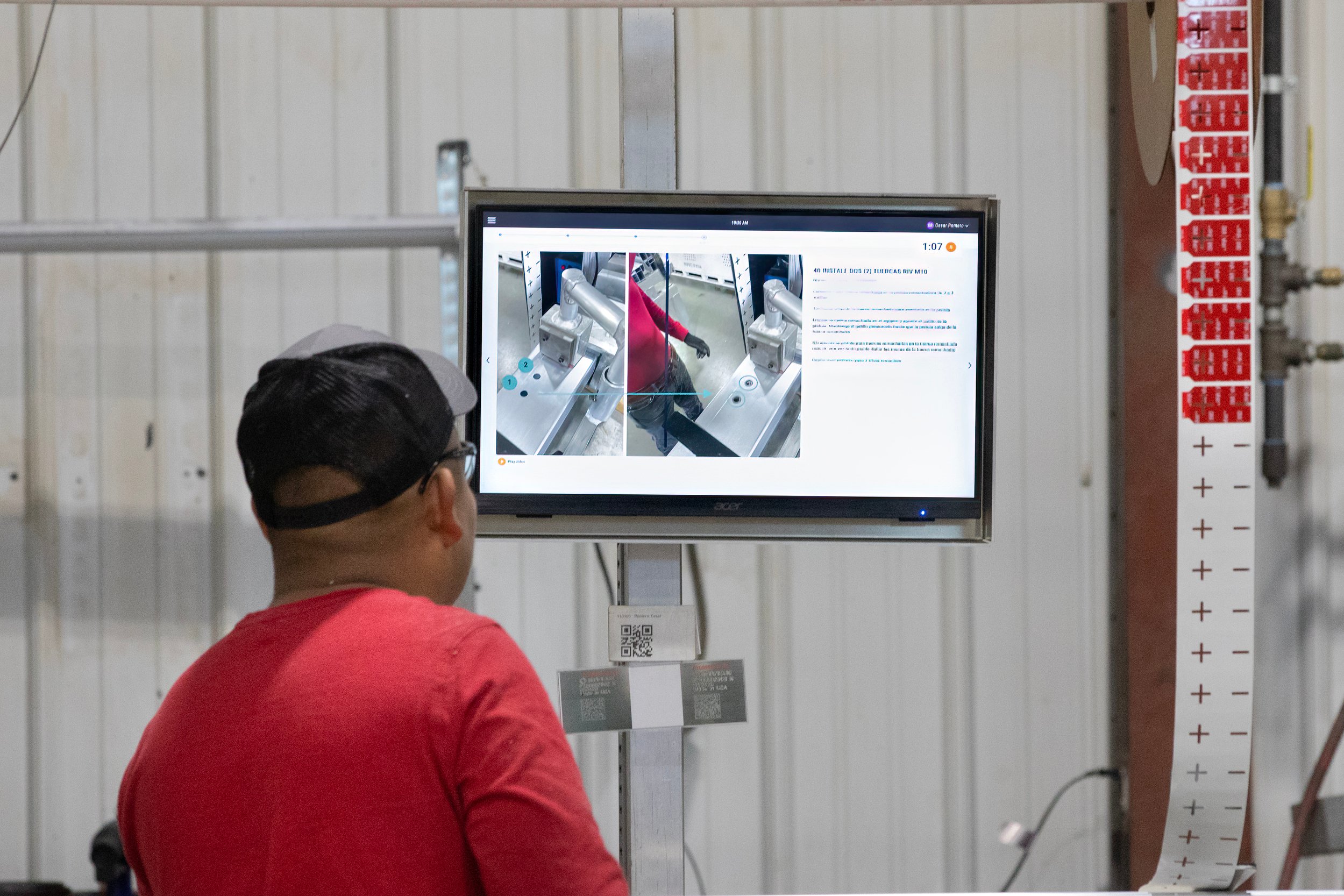
Pollington implemented digital work instructions software, which allowed them to easily upload images with annotations and video explanations. Work instructions are written in both English and Spanish and PICO's process variant feature enables quick and easy updates to both versions. Pollington’s operators follow each step of the side rail assembly with digital worker guidance that consists of colorful multimedia and annotations. Before advancing to the next operation, the software verifies that all torque values and sequences have been followed. The error-proofing is instantaneous. Stewart said, "It is easy to follow along with the instructions. You could build the assembly without any prior training."
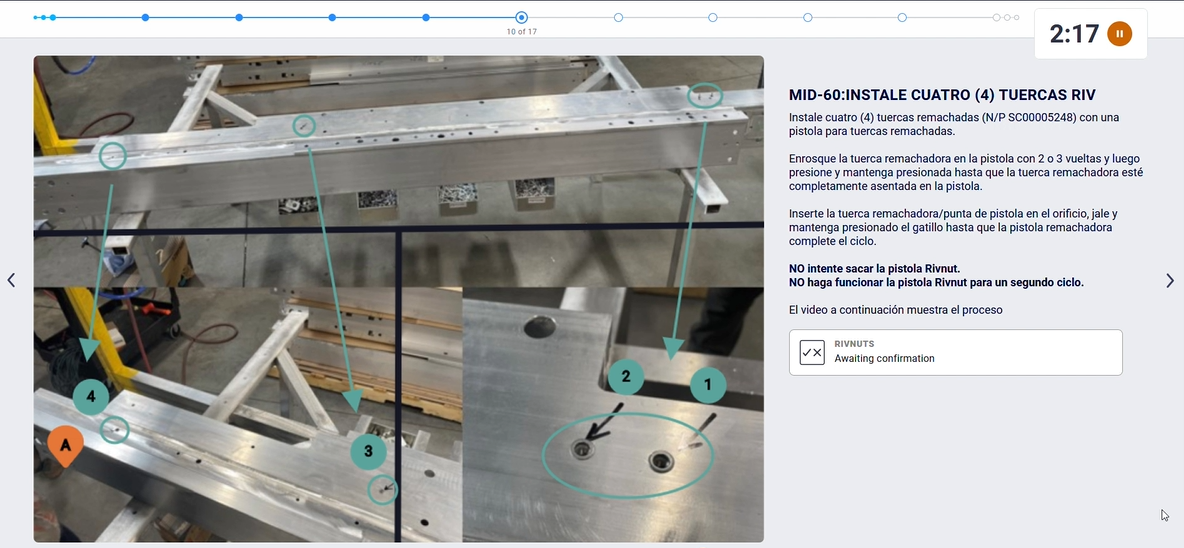
Example of the Spanish work instructions that Pollington's frontline operators follow
By implementing digital work instructions, Pollington passed safe launch in just one month; a game-changer for their automotive manufacturing operations.
Key Outcomes:
Hear Pollington Machine Tool talk more about their experience in working with Pico MES’s modular manufacturing execution system.
"If we had everything on paper organized in a three-ring binder, it'd be nearly impossible to go through all the instructions. They'd be constantly flipping the pages back and forth," said Stewart.
Pollington shares the full breakdown in terms of hardware, software, and engineering resources required to support a $12M/year production program using PICO.
Full PICO deployment breakdown:
1.5 engineers (100% of Chris's time, and 50% of Brian's)For manufacturers evaluating the cost of digital work instructions, error-proofing, or an MES alternative, this breakdown shows how a targeted investment in PICO and creating a culture of continuous improvement directly translates into higher quality output, faster ramp-up, and long-term operational savings. Learn more about the cost breakdown and associated ROI in this webinar: Advanced Traceability in Action
1. Sign up for a forever-free license to PICO's digital work instructions for manufacturing software and start your digital journey
2. Learn how to import existing work instructions into PICO to get accelerate digitization
3. Download our Traceability Implementation Checklist to move beyond manual, outdated systems.
Bring your shop floor together — people, tools, and data all connected in one system. No rip and replace; just connections.