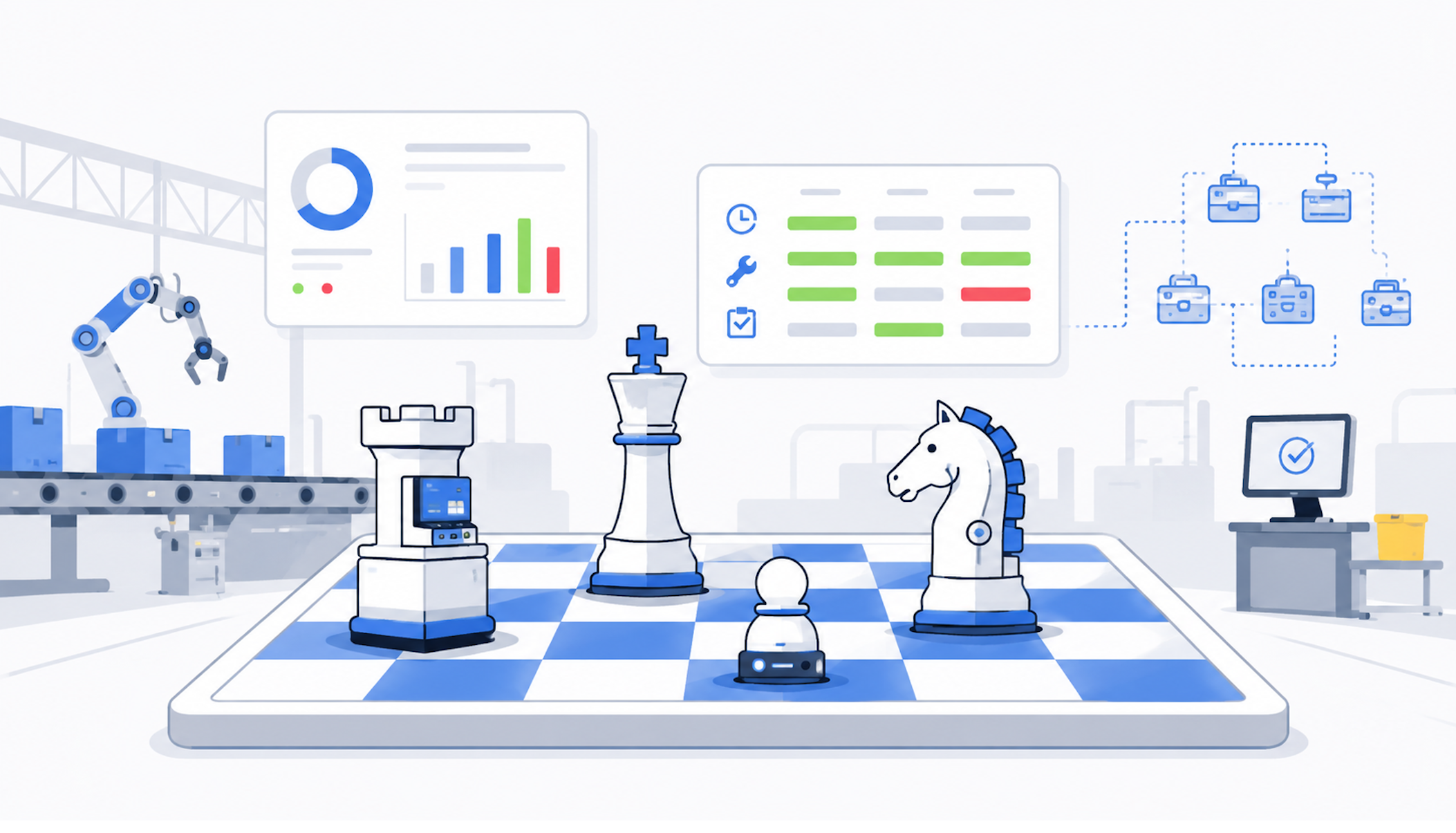
A while back, a young engineer prophetically stated to me that Pico was “gamifying” manufacturing. He was part of a future engineers program that came to our tradeshow booth. The whole group was tuned out and going through the “ask questions” motion when he asked what Pico does. Instead of giving a long monologue about how awesome our product is, I handed him the case for a USB hub and told him to build the electronics unit according to the instructions. He looked horrified but started. After about 60 seconds, he looked at me with fire in his eyes and a big smile on his face. He then told me how great it was to interact with the system, how easy it had made the process, and how “it kind of gamifies the whole thing”. The exciting part is that his experience is what we’ve heard from customers, too. From technicians and operators to leadership alike. And while some scoff at the gaming analogy, "fun" to a 24-year-old operator or engineer is, to an executive, engagement, retention, error reduction, traceable data, and even AI enablement, all wearing a friendlier name.
What that young man was really saying was that creating an environment where operators are engaged, where the system gathers their feedback for two-way communication, and where worker guidance is interactive, with a clear sense of progress and success, enables manufacturing to engage younger generations. The generational read: the folks coming into manufacturing now have grown up with interfaces that respond instantly and reward process. A screen that guides them through a process, confirms each action, and tracks the results feels native. Hand someone in their 20s a clipboard, and they might give you an odd look. This trend is only going to grow. Winston Industries’ workforce is over half Gen Z and Millennials. Gamification may come across as gimmicky, but it’s actually generational digital fluency. And the danger for leaders is to be dismissive when the youngest team member describes the company's strategic infrastructure as a “game”.
I was taught finance and lean systems and operational planning through games, and what I hear when a young person uses the word gamification is strategically aligned to what keeps executives up at night:
- Workforce retention and labor shortages
- Quality escapes and runaway costs
- Visibility into what has actually happened
- Cultural adoption and the challenges of change.
Read any “challenges the industry faces” article from the past decade, and I can almost guarantee labor challenges will be on there. It comes in many forms. Tribal knowledge, lack of qualified candidates, high turnover, and on. How the game changes manufacturing is that it helps “level up” the systems for faster adoption, higher confidence, continuous learning, and lower early turnover. Winston leadership explicitly stated that they are building their culture around younger generations as a retention tool. Some folks have countered that there is a lack of interest from more seasoned team members or from the returning workforce, but they're wrong; even tenured team members embrace the new systems when they improve their working environment. The “game” has lowered the barrier to adoption across the spectrum. What an engineer calls fun, an operations manager calls rapid onboarding and continuous improvement.
Every factory I have run has had a quality escape that has cost me both budget and sleep. Whether in the form of high scrap rates, rework costs, or warranty exposure, things go wrong in manufacturing. By gamifying the process and providing two-way communication with the operators, we can reduce and eliminate these issues as they arise. One of the things digital games do well is capture the data and document the outcomes. Using this data, manufacturers can error-proof the system, creating consistent builds regardless of who’s on shift. Engagement and error-proofing aren't a trade-off; when created correctly, they work together to drive progress.
Once people and process start working together, visibility is key to maintaining progress. Games = scorecards, and having good data visibility helps in everything from compliance and regulatory audits to customer wins to advanced business strategy. Building a system that maps every process and automatically captures the outputs generates a complete, structured record just from “playing”. What this really unlocks is the buzziest topic in manufacturing right now: AI. The gamification process contextualizes the data, giving the AI a solid foundation to build on.
And why do many of those AI projects and digital transformations fail? It’s usually not just the technology; it’s the lack of engagement from the whole team. By gamifying interactions with the team, the team's voluntary, intuitive interactions serve as the adoption mechanism. Instead of training someone in a back room on “kind of similar processes”, training someone lineside with full feedback from the system improves the learning curve of the operator while also collecting the data and building parts. The other part of the failure is it takes too long to drive adoption. We hear it all the time: “it will take us 12 months to get the system set”. By then, the team has often lost enthusiasm. By gamifying the process, you start small, get early wins, and progress to more advanced challenges. By the end of the 12 months, you should already be acting on live data.
That young man’s statement was not one to be dismissed. The people who are closest to the work often see some of the best strategies and use their own words to describe it; terms that boardrooms are trained to ignore. That offhand comment offers a beautiful analogy for a suite of tools transforming manufacturing. It collapses corporate lingo- retention, poke yoke, traceability, digital transformation- into a cultural behavior: this is something people want to use.
While we sell Pico through the business language of efficiency, error-proofing, and ROI, the enthusiasm comes from the same reasons we enjoy a good game: easy to get into, exciting to interact with, and visibility into the score.